
HALO vs. invasive brain-computer interfaces
Implanted BCIs deliver extraordinary signal fidelity but require neurosurgery, carry clinical risk, and target medical restoration. HALO trades single-neuron resolution for a non-invasive, wearable, everyday platform that anyone can put on in seconds.
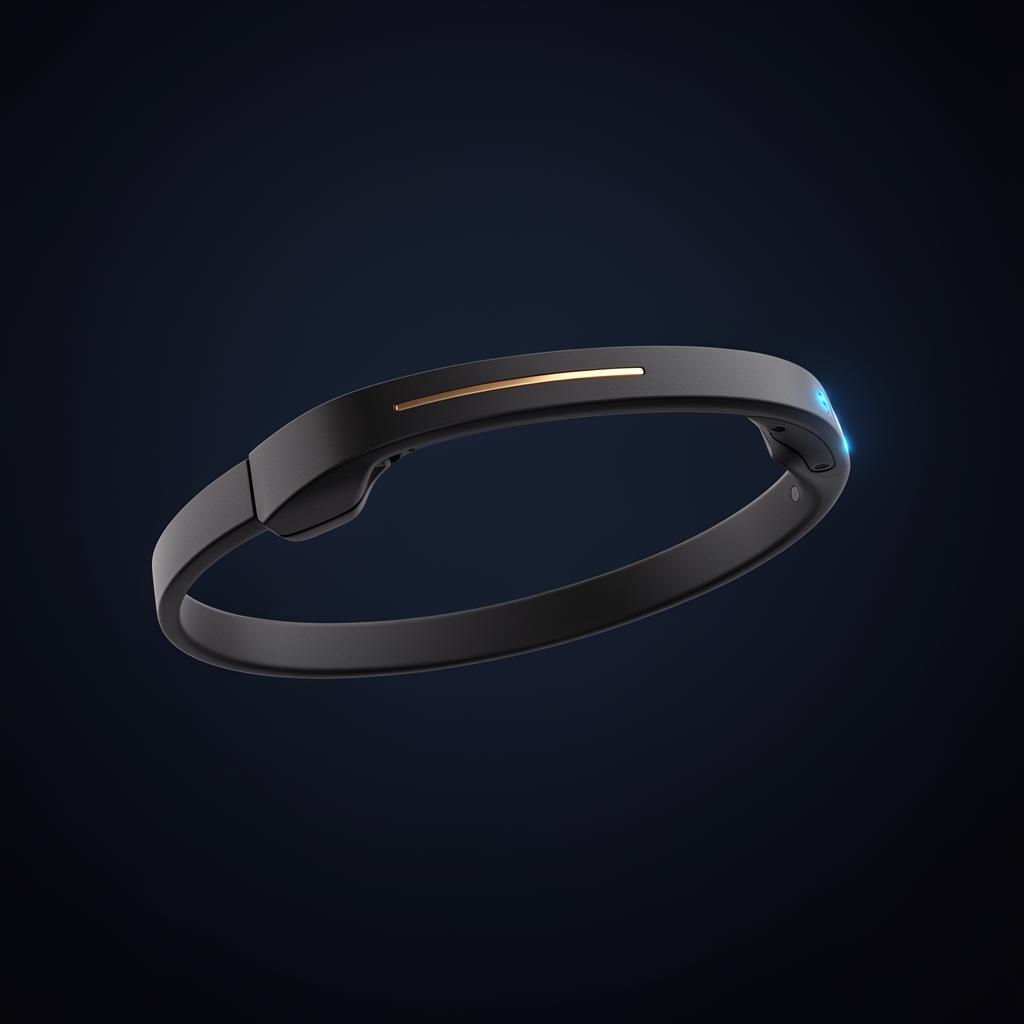
HALO vs. Invasive BCIs
| Dimension | HALO | Invasive BCIs |
|---|---|---|
| Invasiveness | Non-invasive, worn on forehead | Surgical implant |
| Signal resolution | Population-level EEG + multimodal | Single-neuron resolution |
| Setup time | Seconds | Surgery + recovery |
| Risk profile | Consumer-grade | Clinical / surgical risk |
| Primary use | Cognitive wellness, everyday | Clinical restoration |
| Addressable market | Mass consumer | Narrow clinical |
Access without surgery
Invasive systems demand a craniotomy, ongoing medical supervision, and regulatory pathways measured in years. HALO is a forehead wearable — no procedure, no recovery, no clinic. The addressable population differs by orders of magnitude.
Different jobs entirely
Implants are engineered for high-bandwidth control and clinical restoration (movement, speech). HALO is engineered for continuous cognitive-state awareness — focus, load, stress, recovery — in daily life. We are not competing for the same use case; we are opening a new one.
Safety as a design constraint
Because nothing is implanted, HALO's risk surface is comparable to consumer electronics. That is a precondition for the scale of adoption HALO is built for.
The verdict
For consumer cognitive wellness and mass-market adoption, non-invasive wins. HALO reaches billions of foreheads; implants reach a clinical few.